A Complete Guide to Periodontal Treatment Ventura

Gum disease rarely announces itself with drama. More often, it starts quietly, with a little bleeding when you brush, a persistent bad taste, or gums that seem slightly puffy around a few teeth. People put it off because it does not always hurt. That delay is where the real trouble begins.
Periodontal disease affects the tissues that hold teeth in place: the gums, ligament, and supporting bone. Left untreated, it can progress from mild inflammation to deep infection, bone loss, loose teeth, and eventual tooth loss. The good news is that modern periodontal care is far more effective, comfortable, and customized than many people expect. If you are looking into Periodontal Treatment Ventura, it helps to understand what treatment actually involves, how dentists and periodontists decide on the right approach, and what kind of results are realistic.
What follows is a practical guide grounded in how periodontal treatment works in real clinical settings, including what to watch for, how treatment plans are built, and what recovery and maintenance usually look like.
What periodontal disease actually is
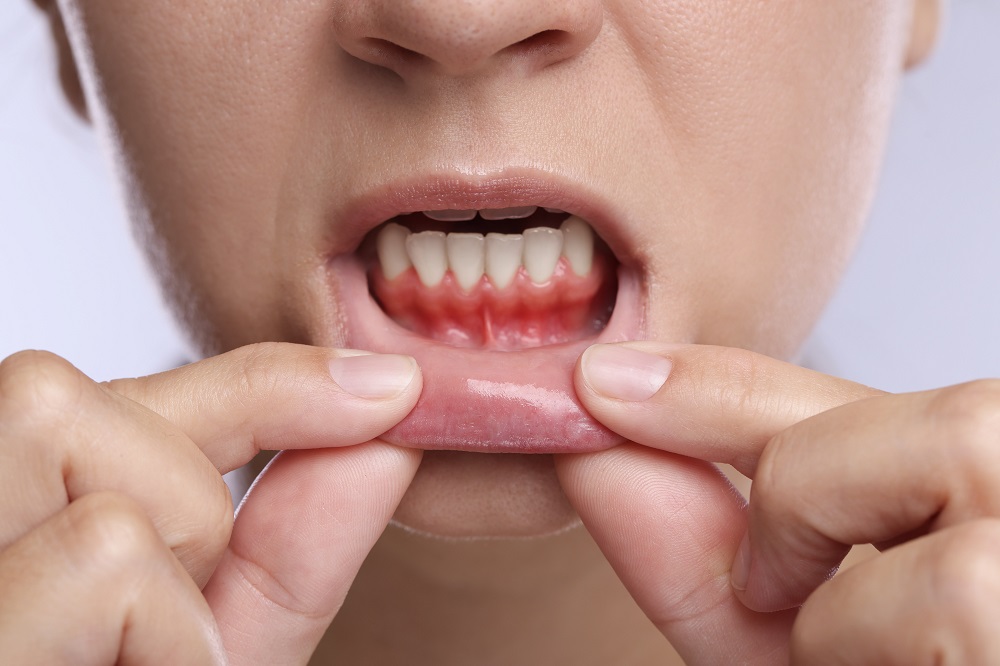
The term "periodontal" refers to the structures around the teeth. Healthy gums fit snugly around each tooth, and the bone underneath provides stable support. Gum disease develops when bacterial plaque and tartar accumulate along and under the gumline. The body responds with inflammation. At first, this stage is called gingivitis. Gums may look redder than usual, feel tender, or bleed during brushing or flossing. At this point, the damage is generally reversible.
Periodontitis is different. Once inflammation begins affecting the deeper support structures, the gums can detach from the teeth and form pockets where bacteria continue to thrive. The bone may slowly resorb. Patients often assume they would feel severe pain if this were happening, but many do not. That is one reason periodontal disease is so often discovered during a routine dental exam rather than because a patient sought emergency care.
In coastal communities and busy family practices alike, one of the most common surprises is how advanced gum disease can become before someone realizes they need help. I have seen patients who were only bothered by occasional bleeding, yet their X-rays showed significant bone loss around molars. Early signs deserve attention.
Why people in Ventura often delay care
A lot of residents lead active, crowded lives. Work, school schedules, commuting, sports, and caregiving responsibilities tend to push dental visits down the list. There is also a common misconception that bleeding gums are normal, especially if someone has always brushed hard or skipped flossing. They are not normal. Bleeding is a sign of inflammation.
Another factor is fear of cost or discomfort. Some patients imagine gum treatment as a painful surgical ordeal. That image is outdated for many cases. A substantial share of periodontal treatment is non-surgical, especially when disease is caught before it becomes severe. Even when surgery is recommended, techniques and anesthetic options have improved considerably.
Smoking and vaping can complicate the picture because they often mask obvious bleeding. The gums may not look as inflamed, yet the underlying disease can be more aggressive. Diabetes, dry mouth, certain medications, hormonal changes, and a family history of periodontal disease can also increase risk and make earlier intervention especially important.
Signs that should not be ignored
Not every symptom points to advanced periodontitis, but several patterns deserve a proper periodontal evaluation. The earlier these are addressed, the more conservative treatment can often be.
- Bleeding during brushing or flossing that happens more than occasionally
- Gum swelling, tenderness, or redness that does not settle
- Persistent bad breath or a chronic unpleasant taste
- Receding gums or teeth that look longer than before
- Loose teeth, shifting bite, or discomfort when chewing
A single symptom does not diagnose the problem. Bleeding can come from brushing too hard, and recession can result from clenching or aggressive brushing. Still, when these signs persist, it is worth having gum measurements and radiographs taken rather than guessing.
How periodontal disease is diagnosed
A proper periodontal exam is more specific than a standard quick look at the gums. The clinician will visually assess gum tissue, plaque levels, tartar accumulation, recession, and mobility. They will also measure the depth of the spaces between the gums and teeth using a periodontal probe. Healthy pockets are usually shallow. Deeper pockets can indicate attachment loss and active disease.
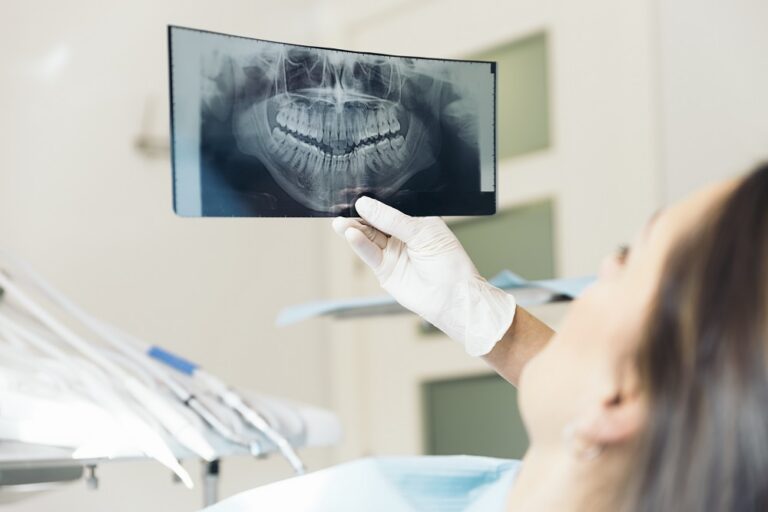
Radiographs are just as important because bone loss does not always show clearly from the outside. Bitewing and periapical X-rays help reveal the pattern and extent of bone changes. Some practices may also document bleeding points, furcation involvement in molars, or signs of trauma from clenching and grinding.
This diagnostic phase matters because not all gum problems require the same solution. Someone with generalized mild inflammation may need a therapeutic cleaning and a reset on home care. Someone else may need staged deep cleaning, bite adjustment, and referral to a periodontist for regenerative procedures around specific teeth. Good periodontal treatment is not one-size-fits-all.
The difference between a regular cleaning and periodontal treatment
This is one of the most misunderstood parts of dental care. A routine prophylaxis, often called a "regular cleaning," is designed for patients who do not have active periodontal disease. It removes plaque and tartar above the gumline and slightly below it in a healthy mouth.
Periodontal treatment goes deeper because the disease process is deeper. When calculus and bacteria sit below the gumline, especially in pockets, a routine cleaning cannot adequately address the problem. That is where scaling and root planing comes in. This non-surgical periodontal therapy removes deposits from the root surfaces and smooths those roots so the gums have a better chance to reattach and inflammation can subside.
Patients sometimes feel frustrated when told they need more than a standard cleaning, especially if they came in expecting a simple appointment. The distinction is not about upselling. It is about matching treatment to what is clinically present. If there are measurable pockets, bleeding, tartar below the gumline, and radiographic bone loss, a routine cleaning is not enough.
What Periodontal Treatment Ventura usually includes
For many patients seeking Periodontal Treatment Ventura, care begins with the least invasive effective option. The exact sequence depends on disease severity, risk factors, and whether certain areas are more compromised than others.
Non-surgical therapy
Scaling and root planing remains the cornerstone of treatment for moderate disease. The mouth may be treated in sections, often with local anesthetic so the appointment is comfortable. Ultrasonic instruments and hand instruments are used together to remove bacterial deposits and calculus from root surfaces. In some offices, localized antimicrobial therapy may be placed in deeper pockets, though this depends on the case and provider preference.
Patients are often surprised by how manageable these appointments are. Most describe soreness rather than true pain afterward, similar to having a more involved cleaning. A soft diet for a day, gentle brushing, and occasional use of a prescribed rinse may be recommended.
Re-evaluation
A crucial step happens several weeks after deep cleaning. The gums are reassessed to see how much the tissues have tightened and whether pocket depths have improved. This is where clinical judgment matters. Some sites respond beautifully and can be maintained non-surgically. Others remain deep or continue bleeding, suggesting that additional treatment is needed.
Surgical periodontal care when necessary
If deeper pockets persist or bone defects are advanced, a periodontist may recommend surgery. That does not automatically mean a complex or alarming procedure. Periodontal surgery is often targeted and purposeful. The goal may be to gain access for better cleaning, reduce pocket depth, reshape tissues, or regenerate lost support around a tooth.
Common surgical options include flap surgery, bone grafting, guided tissue regeneration, and soft tissue grafting for recession. Each serves a different purpose. Flap procedures allow thorough access to roots and bone. Bone grafting may be used where defects have a shape that can support regeneration. Gum grafting helps cover exposed roots, reduce sensitivity, and protect vulnerable areas from further recession.
Tooth replacement planning
Sometimes periodontal treatment overlaps with restorative planning. If one or more teeth cannot be saved, the next step may involve discussing implants, bridges, or partial dentures. Here, the timing matters. Active periodontal infection should be controlled before moving into replacement planning. For implant candidates, the health of surrounding gum tissue and available bone are major considerations.
What treatment feels like, and what recovery is really like
Fear of discomfort keeps plenty of people away longer than it should. The reality is usually less intimidating. Non-surgical periodontal therapy is commonly done with local anesthetic. Patients may feel pressure, vibration, or water spray, but sharp pain should not be the norm. Afterward, mild tenderness, temperature sensitivity, and slight gum soreness can occur for a couple of days.
Surgical treatment varies more. A small gum graft on one site feels very different from a broader regenerative procedure around several teeth. Even then, with good anesthesia, clear post-op instructions, and appropriate pain control, most patients manage https://waylonshio623.theburnward.com/periodontal-treatment-ventura-for-adults-of-all-ages far better than they expected. The bigger challenge is often sticking with the recovery instructions, especially avoiding crunchy foods, brushing too aggressively near the site, or returning to smoking too quickly.
One practical point many people do not hear soon enough: gums often look better before they are fully stable. Redness and swelling may drop quickly, but the deeper healing and tissue tightening take more time. That is why follow-up visits are not a formality. They are where clinicians determine if the biology is truly moving in the right direction.
The role of a periodontist versus a general dentist
Many general dentists diagnose and manage periodontal disease very well, especially mild to moderate cases. They perform periodontal charting, deliver scaling and root planing, and monitor response over time. Referral to a periodontist is usually considered when the disease is advanced, when surgery may help save teeth, when recession is significant, or when medical complexity raises the stakes.
A good referral relationship benefits the patient. The general dentist may continue overseeing restorative and preventive care, while the periodontist handles advanced gum and bone treatment. In well-run cases, that collaboration is seamless. The patient should understand who is managing what and why.
For anyone exploring Periodontal Treatment Ventura, it is reasonable to ask whether your case can be treated in the general office or whether a periodontal consultation would add value. That is not a sign your case is hopeless. Often it simply means someone wants the best specialist input before deciding how to proceed.
How long treatment takes
This depends heavily on severity and consistency. Mild cases may improve substantially after one or two therapy visits plus improved home care. Moderate to severe disease often involves treatment over several months, including re-evaluation and maintenance. Surgical cases take longer, not necessarily because the surgery itself is lengthy, but because healing and reassessment need time.
Patients often want a fixed timeline. Dentistry does not always cooperate with that. A smoker with uncontrolled diabetes and deep pockets may heal much more slowly than a healthy nonsmoker with similar measurements. Likewise, a patient who brushes carefully every day and keeps follow-up appointments may stabilize faster than someone who disappears for nine months after deep cleaning.
Home care after treatment, where long-term success is won
Professional treatment can reduce bacterial load and create conditions for healing, but daily home care determines whether those gains last. This is where many patients either protect their investment or slowly lose it.
The basics are not glamorous. They are effective. Thorough brushing twice a day with a soft-bristled brush or electric brush matters. Cleaning between the teeth matters just as much, whether with floss, interdental brushes, or water flossing tools, depending on the shape of the spaces and the patient's dexterity. Some patients benefit from antimicrobial rinses for a period, though they are not a substitute for mechanical plaque removal.
The most successful patients are usually not the ones with perfect technique from day one. They are the ones willing to adapt. If traditional flossing is unrealistic because of hand issues or crowded teeth, a clinician can suggest alternatives that are more practical. Consistency beats idealism.
Periodontal maintenance is not the same as a regular recall
After active gum disease has been treated, many patients are placed on periodontal maintenance rather than standard six-month cleanings. This is important. Periodontal maintenance visits are typically more frequent, often every three or four months, though intervals vary by risk. The purpose is to keep bacterial repopulation under control, monitor pocket changes, and catch recurrence early.
That interval can feel excessive to people who have always gone twice a year, but biology supports it. Harmful bacterial communities can re-establish fairly quickly in susceptible mouths. Once a patient has lost attachment and bone, they carry a higher lifelong risk of recurrence. More frequent maintenance is often what keeps stable cases stable.
This is also where a lot of tooth-saving happens. I have seen patients avoid surgery simply because they committed to maintenance and improved home care after early therapy. I have also seen beautifully treated mouths break down again because recall intervals stretched too long and warning signs were missed.
Cost, insurance, and how to think about value
Periodontal treatment costs vary based on what is needed. Deep cleaning in a few quadrants costs less than surgical treatment with grafting. A full treatment plan may include diagnostics, therapy, reevaluation, maintenance, and specialist care if referred. Insurance often helps, but coverage details differ widely. Some plans cover non-surgical treatment reasonably well and provide partial support for periodontal surgery. Others leave larger out-of-pocket costs.
The more useful question is not just "What does it cost?" But "What does delaying it cost?" Untreated periodontal disease can lead to more extensive restorative work, extractions, tooth replacement, and years of instability. Saving a tooth with timely periodontal care is often less expensive and less disruptive than replacing it later.
If the proposed plan feels overwhelming, ask the office to walk you through priorities. Sometimes treatment can be staged. Urgent areas are addressed first, then less severe sites, then maintenance. A thoughtful office should be able to explain what must happen now versus what can reasonably be scheduled over time.
When teeth can be saved, and when they cannot
This is one of the hardest conversations in periodontal care. Patients understandably want a clear yes or no. The truth is that prognosis exists on a spectrum. Some teeth with moderate bone loss can function for many years if infection is controlled and maintenance is excellent. Others look fair on X-ray but have deep fractures, severe mobility, or unfavorable anatomy that makes long-term success poor.
Clinical judgment matters here. A tooth that can technically be saved is not always a wise tooth to save if treatment burden is high and predictability is low. On the other hand, some teeth are extracted too quickly when they still have good strategic value and respond well to therapy. The best treatment planning weighs biology, function, cost, patient goals, and the condition of the entire mouth, not just one isolated tooth.
Questions worth asking at your appointment
A good periodontal consultation should leave you more informed, not more confused. If a treatment plan is being discussed, it helps to ask focused questions.
- How severe is the disease, and how much bone support has already been lost?
- Is non-surgical therapy likely to be enough, or do you expect surgery may be needed?
- What are the goals for pocket reduction, bleeding control, and long-term maintenance?
- How often will I need periodontal maintenance after treatment?
- Are there habits or health conditions making my case harder to control?
These questions usually reveal whether the plan is preventive, corrective, or salvage-oriented. They also help set realistic expectations. Some cases aim to reverse inflammation completely. Others aim to stop progression and preserve function as long as possible.
Choosing a provider in Ventura
Finding the right provider is not just about convenience or technology. It is about communication and consistency. You want a clinician who explains findings clearly, shows you where the problem areas are, and gives honest guidance about what treatment can and cannot achieve.
Look for an office that performs thorough periodontal charting, takes appropriate imaging, and schedules reevaluations rather than treating deep cleaning as a one-time event. If surgery is being considered, it is fair to ask about the reason, alternatives, and expected outcome. If you have a complex history, including smoking, diabetes, previous grafting, or failed dental work, that context should shape the plan.
The best experiences usually come from practices that combine skill with patient education. Gum disease management works best when patients understand their own role in keeping the disease quiet after professional treatment is finished.
The bottom line on protecting your teeth and gums
Periodontal disease is common, but it is not something to normalize or ignore. Bleeding gums, recession, chronic bad breath, and loose teeth are signs worth taking seriously. The earlier treatment begins, the more options patients tend to have and the less invasive care can often be.
For people researching Periodontal Treatment Ventura, the most useful mindset is a practical one. Get the condition measured properly. Understand whether you are dealing with gingivitis, active periodontitis, or the aftereffects of older disease that still need maintenance. Ask what treatment is meant to accomplish, what your risks are, and what you will need to do at home to protect the result.
Teeth do not have to be lost just because gum disease has started. Many can be stabilized and kept comfortable for years with timely care, good technique, and regular maintenance. The key is not waiting for pain to make the decision for you.
Avra Dental
Address: 1708 S Victoria Ave B, Ventura, CA 93003
Phone number: (805) 941-1001
FAQ About Periodontal Treatment Ventura
Can a dentist get rid of periodontal disease?
A dentist or gum specialist (periodontist) cannot fully cure or reverse advanced periodontal disease (periodontitis), but they can successfully stop its progression and manage the infection.
Is periodontitis very serious?
Yes, periodontitis is a very serious, advanced form of gum disease that destroys the bone and tissues supporting your teeth.
How is stage 2 periodontal disease treated?
Stage 2 periodontal disease (early to moderate periodontitis) is primarily treated with non-surgical deep cleaning procedures like scaling and root planing to remove bacteria and tartar below the gumline.